
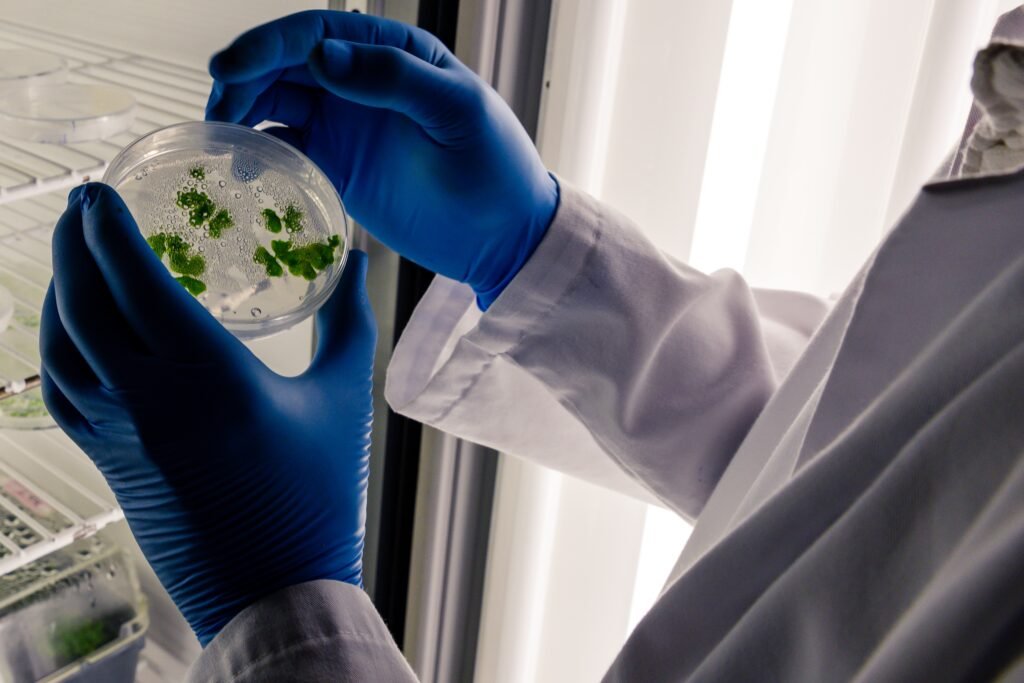
As climate change continues to reshape ecosystems and intensify environmental pressures, understanding the links between biodiversity, wildlife health, and human well-being has never been more important. The BioARC (Biorepositories for Adaptive Resilience to Climate) is one of the projects funded under the Climate, Environment, and Health (CEH2) Collaborative Research Action (CRA) of the Belmont Forum. The consortium is addressing this challenge by building a collaborative network of biorepositories across the Americas to strengthen wildlife pathogen surveillance, promote open-access data sharing, and advance One Health practices.
Bringing together partners from Belize, Brazil, Ecuador, Guatemala, Honduras, Uruguay, and the United States, BioARC connects researchers, practitioners, and community stakeholders from the natural, medical, and social sciences to co-develop resilient approaches to biodiversity conservation and public health.
Building biorepositories for climate resilience
At the core of the initiative is the development of biorepositories capable of preserving high-quality wildlife samples. These collections will support long-term monitoring efforts, improve understanding of emerging pathogens, and help prevent future pathogen spillovers that can threaten both wildlife and human communities.
By strengthening regional infrastructure and supporting open-access biodiversity data, the project contributes to more coordinated and responsive environmental health systems across the Americas.
Community engagement and capacity-building
Beyond infrastructure development, BioARC places strong emphasis on collaboration, capacity-building, and community engagement. Through a multinational training program, the consortium will foster local partnerships and support stakeholder participation in co-creating monitoring frameworks that prioritize community ownership of biodiversity data. By combining scientific expertise with local knowledge and regional cooperation, the project aims to build more inclusive and sustainable approaches to environmental health monitoring.
The consortium also supports the advancement of One Health approaches, recognizing the interconnectedness of human, animal, and ecosystem health. Through open-access data practices and shared learning across countries and disciplines, BioARC seeks to strengthen preparedness and adaptive resilience in the face of climate-related environmental change.
Through regional collaboration and transdisciplinary research, BioARC contributes to a growing global effort to develop equitable, community-centered solutions for climate resilience, biodiversity conservation, and public health protection.