
Location: Guacaoprito, Sinaloa in Mexico
Credit: The GrandMothers of Guacaporito
Initiative: Researcher Challenges Grant Supporting Women’s Resilience to Climate Change (British Council)
Project: The Grandmothers of Guacaporito: Strengthening Indigenous Fisherwomen’s Resilience to Extreme Heat Stress Challenges in Sinaloa
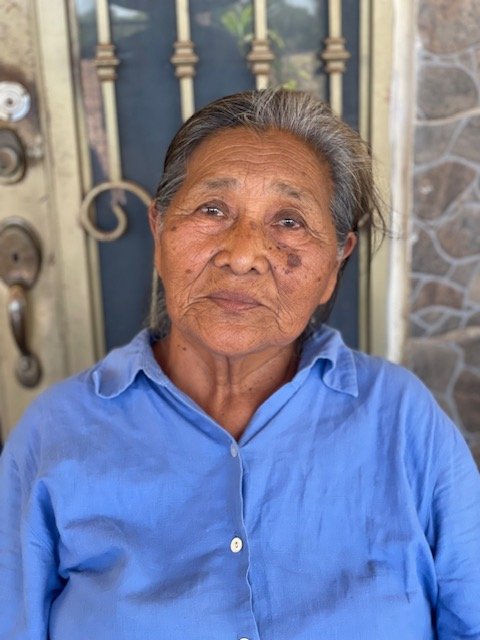
Story: Suleika has fished these waters all her life. This portrait was taken during fieldwork in Guacaporito, a small coastal fishing community in Sinaloa, northwestern Mexico, as part of the Grandmothers of Guacaporito research project, with the aim of documenting the lived experiences of indigenous fisherwomen facing the escalating impacts of climate change.
Suleika is Yoreme, one of the indigenous peoples of northwestern Mexico. The Yoreme language, Yoremnokki, is critically endangered. The ecological knowledge it carries, accumulated over centuries of living alongside this bay, was never written down. It exists only in the memories and voices of women like her.
During our time in Guacaporito, the women described a bay that is visibly changing. There is less fish, fewer crabs, and sharks that are behaving more aggressively. The heat reflected off the water burns in ways that official temperature readings do not capture, and the women were clear that government advice about staying hydrated bears no relationship to what they experience in their bodies while working. They are not counted in the data that shapes climate policy, yet they are among those feeling its consequences most acutely.
These women are also holding their communities together under extraordinary pressure. They fish, they make crafts, they raise children, they care for the sick, all in temperatures that have become nearly unbearable, often without reliable access to healthcare, clean water, or electricity. Several spoke of loving this land so deeply they could never leave, while in the same breath describing how they had already sent their children to the cities, quietly accepting that this place cannot hold the next generation.
The societal impact of this research lies in bringing these voices into spaces where decisions are made. Indigenous women in remote coastal communities are rarely represented in climate negotiations, academic literature, or policy frameworks. This project sought to change that, not by speaking for them, but by creating the conditions for their knowledge and experience to be heard on their own terms.
Suleika carries an entire world inside her. The question the research asks is whether that world will be listened to before it is gone.