

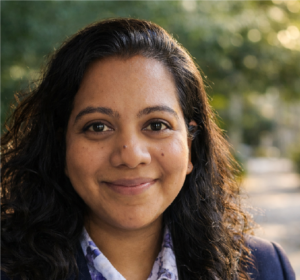
Udita Sanga
ASSISTANT PROFESSOR
Dr. Udita Sanga is an Assistant Professor of Climate, Food, and Sustainability at Tufts University. She is an interdisciplinary systems scientist whose work focuses on the science–policy interface, where she studies the complex dynamics of social–ecological systems and examines how beliefs, motivations, and decisions shape actions. Through participatory systems modelling and action-based research, she investigates system transformations, climate resilience, and pathways for sustainable development. Her work spans across West Africa and South Asia. Currently, she leads an action-based research project on understanding the loss of intergenerational knowledge and its revival for sustainable food futures among Adivasi communities in Jharkhand, India.
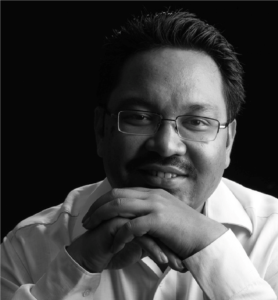
Sudhir John Horo
FOUNDER & CONVENOR
Sudhir John Horo is a design professional advancing Indigenous knowledge systems and environmental stewardship through Tribal Design Forum (TDF) and Adivasi Academy. He created INDIAFRICA: A Shared Future, a multi-country cultural and environmental engagement programme connecting youth across 54 African nations and India on sustainability, creative enterprise, and shared futures. His work focuses on land-based epistemologies, authorship restoration, and community-led design frameworks rooted in ecological resilience. He develops Indigenous-centered curriculum models, ethical custodianship practices, and material culture archives. He collaborates with local communities, public institutions, and international partners to strengthen environmental equity, cultural continuity, and sustainable development in vulnerable regions.
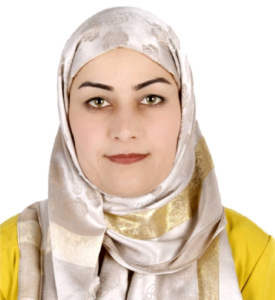
Muhiba Mobarez
MANAGER AND SOCIAL ACTOR
I am an education leader and community trainer from Rustaq, Takhar, with extensive experience advancing girls’ education and local climate awareness. As General Manager of Rustaq Girls’ High School, I oversee school operations and coordinate girls’ schools across the district. I have trained communities in fresh water (drinking water), forest restoration, and disaster awareness through international and local organizations. I actively promote clean water access, green-school initiatives, and climate-smart agricultural knowledge for rural families. My work integrates local knowledge, environmental resilience, and community-led communication networks to strengthen sustainable development in underserved areas.
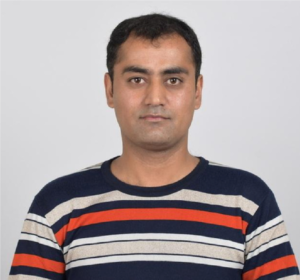
Ali Sina Jayhoon
POSTDOCTORAL FELLOW
My expertise lies in both laboratory and field research, with a focus on plant tissue culture, the development of genetic tools for the adaptation of crops to water stress‑responsive genes in the face of global climate change, the use of microbes for cleaning water, and conventional plant breeding. I served as an Assistant Professor in the Faculty of Agriculture at Parwan University, Afghanistan, from 2013 to 2021. Currently, I am a Postdoctoral Fellow at UFABC, Brazil. I completed my Ph.D. in Agricultural Biotechnology at SVP University, U.P., India, in February 2024. Prior to that, I earned my M.Sc. in Biotechnology from Kazakh National Agrarian Research University (KazNARU) in Almaty, Kazakhstan.

Alma Cristal Hernández Mondragón
RESEARCHER
Alma Cristal Hernández Mondragón is a science–policy interface scholar and practitioner based at Cinvestav (Mexico), with over a decade of experience connecting research and decision-making. Her work focuses on evidence-informed policy, research governance, and capacity-building for early-career scientists in Latin America. She has advised legislatures and governments on science and innovation policy, as well as on reforms that strengthen accountability and research uptake. Through projects on STI systems, sustainable development, and global trust in science, and through her roles in the Global Young Academy and INGSA, she engages with global environmental change governance and with just, inclusive transitions in the Global South.

Carlo Andrés Altamirano Allende
DIRECTOR FOR BASIC AND FRONTIER SCIENCE RESEARCH
Carlo Altamirano Allende is a physicist from UNAM and holds a Ph.D. in the Human and Social Dimensions of Science and Technology from Arizona State University. He currently serves as Director of Basic and Frontier Science Research at Mexico’s Secretariat of Science, Humanities, Technology and Innovation. His trajectory bridges research, public policy design, and international cooperation, with experience in CONACYT, the American Association for the Advancement of Science (AAAS), the Friedrich Ebert Foundation, among others, working on global projects on energy, sustainability, knowledge governance, and science diplomacy. He is a member of the Global Young Academy.

Clara Pissolito
RESEARCHER
My name is Clara, I am a permanent researcher for CONICET at CIEFAP. This is the materialization of a lifelong dream to contribute to society by being part of the creation of knowledge, but also by thinking about what questions we need to ask to better understand and relate to the world. My current line of research involves mapping the effects of wildfire on Patagonian forest ecosystems. Previously, I worked on monitoring restoration actions both in the Patagonian and Central Andes. From my role in restoration‑related NGOs, @sumanativas and https://www.redrea.com.ar/, I seek to bridge the gap between science and action.

Pablo José Alcorta Briganti
FIREFIGHTER CREW BOSS
I work as a wildland firefighter in northwestern Argentine Patagonia, a region highly vulnerable due to its unique biogeographical island condition and the growing impacts of climate change on wildfire regimes. My goal is to develop strategies suited to our social context, integrating fire management with interdisciplinary approaches. This includes incorporating and sharing knowledge gained through experience and exchanges with experts from diverse fields. I have participated in international exchange programs, contributed to outreach initiatives such as magazines and documentaries, and used photography as a tool to communicate wildfire issues and amplify the message among different community stakeholders.

Rasa Zalakeviciute
RESEARCHER
I am an environmental engineer and atmospheric scientist working on climate change, environmental quality, and atmospheric processes in Ecuador and the tropical Andes. My research integrates long-term environmental monitoring, atmospheric and water chemistry, pollution mapping, remote sensing, and climate trend analysis. I have also studied climate vulnerability and environmental pollution during extreme events and natural or anthropogenic crises. I am actively engaged with global environmental challenges through international collaboration, including recent participation in EU‑funded climate‑adaptation networks. I am now eager to apply this experience to lead community-centered adaptation strategies in our new project on Andean glacier loss and shifting precipitation patterns.
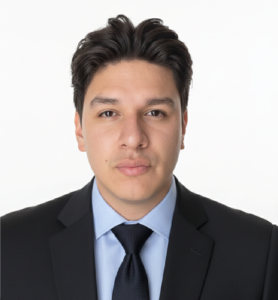
Emiliano José Avalos Alverca
INDIGENOUS COMMUNITY ENGAGEMENT/ STUDENT
I am an Environmental Engineering student from the Ecuadorian Amazon with experience in laboratory management, fieldwork, and community‑focused environmental projects. My background includes participation in the UNESCO Amazon Water Resilience Challenge and leadership roles within academic environmental organizations. Growing up in Sucumbíos and engaging with Indigenous and rural communities shaped my understanding of social vulnerability and climate impacts in Ecuador. I work with GIS, QGIS, AutoCAD, and Civil 3D to support climate‑adaptation planning. My interests center on glacier retreat, water security, and developing community‑led solutions to global environmental challenges in the Tropical Andes and Amazon Basin.

Benjamin Pei-wei Yang
NGO RESEARCHER
I am a climate and energy policy researcher and practitioner with a Master of Environmental Management from the Yale School of the Environment and a B.A. in Environmental Studies from Yale‑NUS College in Singapore. I am passionate about energy transitions, decarbonisation pathways, and addressing their socioeconomic impacts. At the Taiwan Climate Action Network, a climate policy think tank that serves five local grassroots environmental NGOs, I have built and led multistakeholder coalitions to drive change in how the government and companies approach the social aspects of their net‑zero strategies. My work has centred on providing policy insights on just transition planning and governance.

Meng-Hui Lin
RESEARCHER
Meng‑Hui Lin is a climate risk and adaptation researcher whose work closely supports government agencies in developing decision‑support tools and governance strategies for multi‑hazard resilience. Her research integrates climate science, systems analysis, and policy collaboration to address complex climate risks in water and agricultural sectors. She is an active member of Future Earth Taipei’s Early Career Researchers network and was selected as a North American Association for Environmental Education “EE 30 Under 30” honoree for her leadership in sustainability. Her work engages both local and global environmental challenges, advancing transdisciplinary approaches to equitable, science‑informed climate governance.

Nion Sirmongkonlertkun
ENVIRONMENTAL AND HUMAN RIGHTS ADVISOR
Mrs. Nion Sirimongkonlertkun is an environmental justice advisor working at the intersection of science, community engagement, and policy in Northern Thailand’s border region. She is a co‑initiator of the Clean Air Act Thailand and collaborates with partners to address cross‑border chemical contamination in the Kok River linked to upstream rare‑earth mining. Her work integrates scientific data with Indigenous and local knowledge, supports community‑based PM2.5 sensor networks, and strengthens coordination among government agencies, ethnic groups, and civil society. Guided by a strong commitment to environmental justice, good governance, and equitable access to a healthy environment for all, she advances Mekong and ASEAN cooperation on transboundary environmental challenges and was recognized by ADPC for her leadership.

Siwatt Pongpiachan
PROFESSOR
Dr. Siwatt Pongpiachan is a Professor and Director at NIDA’s Center for Research & Development of Disaster Prevention & Management. Holding a Ph.D. in Atmospheric Chemistry, he specializes in climate change, air pollution, and persistent organic pollutants. His engagement with global challenges includes serving as the National Project Manager for UNIDO to implement the Stockholm Convention on POPs in Thailand. Additionally, he contributes to international science as a research fellow at the Chinese Academy of Sciences and for the Polar Research Project, addressing transboundary environmental risks.
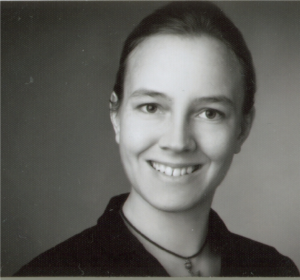
Pia Laborgne
RESEARCHER
Pia Laborgne is a sociologist and sustainability researcher at the Karlsruhe Transformation Centre for Sustainability and Cultural Change/KIT‑ITAS in Karlsruhe, Germany. Her work focuses on urban sustainability transformations with an emphasis on energy and food systems, particularly in relation to local governance, participation, knowledge co‑creation, and transdisciplinary research. She is the coordinator of the Belmont Forum SSCP project “Co‑SFSC: Co‑Creating Sustainable Transformations of Food Supply Chains through Cooperative Business Models and Governance” and has extensive experience with transdisciplinary research.

Sandra Schmidt
VALUE CHAIN MANAGER
Sandra Schmidt is an agribiologist and sustainability manager with 23 years of experience in the food trade. She is deeply committed to addressing global environmental challenges by promoting fair prices and the direct marketing of quality food products, ensuring sustainable livelihoods for producers and minimizing intermediaries. Her work has focused on supporting regional, artisanal, and organic food production as key elements for reducing environmental impact and fostering resilient food systems. Through her longstanding involvement with Slow Food, she advocates for good, clean, and fair food, organizing visits to artisanal producers and evaluating sustainable gastronomy, emphasizing the importance of local knowledge and transparency. In Karlsruhe, she actively participates as a climate coach and contributes to citizen initiatives such as “Green City” and projects promoting food appreciation. Her approach combines passion, perseverance, and solidarity, recognizing that long‑term environmental progress requires collaboration, respect for diverse perspectives, and continuous learning. She also practices sustainable agriculture hands‑on, cultivating garlic, potatoes, peas, and beans on her own plot to strengthen the link between urban and rural ecosystems.

Sintayehu Adefires Abebe
ASSISTANT PROFESSOR
I am Sintayehu Abebe (Ph.D.), an Assistant Professor of Hydrology at Debre Markos University, Ethiopia. My research focuses on hydrologic modeling, remote sensing, and machine learning to address water‑related global environmental challenges. As PI of the ESA‑funded “ML‑FReF” project, I develop flood‑resilience frameworks, while my work on crop‑selection models supports drought adaptation. I lead the development of the Digital Earth Africa – Lake Tana Dashboard, translating complex data into actionable insights for water‑resource management. My career is dedicated to creating sustainable water solutions for vulnerable communities in Ethiopia and beyond.

Asmamaw Tessema Getahune
WATER UTILITY MANAGER
I am Assmannaw Tessema Getahune, Manager of the Mertule Maryam Water Utility Service Office. With nine years of experience in Water Resources Engineering and Utility Management, I am on the front lines of addressing water scarcity driven by climate change. My work involves ensuring equitable water access for more than 50,000 residents, including managing drought response in vulnerable kebeles. I actively engage with communities to co‑develop practical solutions, bridging policy and local realities to build resilience against global environmental challenges such as drought and water insecurity in the Amhara Region.

Natalia Niño Machado
RESEARCHER
Natalia Niño is a social scientist and researcher specializing in the intersection of climate change, infectious diseases, and public health in Latin America. Trained in Science and Technology Studies (Ph.D.), she brings a critical social science lens to understanding how data, governance, and inequalities shape climate–health vulnerabilities. She has led and co‑led regional projects on climate‑sensitive epidemics, anticipatory action, and multisectoral health information systems. Her work integrates qualitative methods, participatory research, and stakeholder engagement to strengthen adaptive governance. Collaborating with academic, governmental, and international partners, she contributes evidence‑based, socially grounded strategies to address global environmental challenges and build resilient health systems.

Juana Marina Hofman Quintero
TECHNICAL DIRECTOR
I am a lawyer and environmental policy specialist with extensive experience in territorial governance, Indigenous rights, and climate justice in Latin America. I currently serve as Director of Technical Integration at the Amazon Conservation Team, where I coordinate strategic initiatives on biocultural conservation, One Health, and the protection of Indigenous Peoples in Voluntary Isolation. My work focuses on strengthening community‑led governance, influencing public policy, and building multi‑stakeholder alliances across governments, civil society, and global networks. I have actively contributed to regional and international environmental processes, including COP negotiations and high‑level advocacy on territorial and ecological governance.

Cheema Soralump
ASSOCIATE PROFESSOR
Assoc. Prof. Cheema Soralump, Ph.D., is Assistant to the President for Student Affairs and Sustainable Development and an Associate Professor of Environmental Engineering at Kasetsart University, Thailand. She holds a Ph.D. from the University of Illinois at Urbana‑Champaign and has more than two decades of experience in environmental engineering education, research, and policy advisory. Her expertise spans solid and hazardous waste management, soil and groundwater remediation, life‑cycle assessment, environmental management systems, and nuclear waste management. She has served on national expert committees for environmental impact assessment, carbon‑footprint development, and sustainability initiatives, bridging engineering practice, policy, and sustainable development.

Tanakrit Srivilas
CO-FOUNDER, EDITOR IN CHIEF
My name is Tanakrit Srivilas. I am a science communicator and content creator, and Co‑Founder and Editor‑in‑Chief of The Principia, a Thai science media platform. I specialize in translating complex scientific research into accessible, engaging narratives that connect science with everyday life, business, and society. My work spans digital content, public events, and transdisciplinary dialogue, including Wit in Bangkok, a large‑scale science communication forum. I hold a BSc in Biology from Kasetsart University and an MSc in Applied Biological Science from Chulabhorn Graduate Institute, and I am committed to fostering trust, participation, and responsible decision‑making in science and sustainability.

Urintha Chaloemchuang
KNOWLEDGE MANAGEMENT & LEARNING DESIGN ASSOCIATE
I am an experienced community‑based researcher and knowledge‑management specialist with more than 10 years of experience in applied research. My work focuses on circular economy, zero‑waste management, and the integration of local wisdom into sustainable development practices.

Arunya Aphisathianphong
KNOWLEDGE MANAGEMENT & LEARNING DESIGN ASSOCIATE
As a Lahu ethnic community‑based researcher and community member from Laba village within the Doi Tung Development Project, I am fluent in the local language and social norms. I combine this deep socio‑cultural understanding with more than 15 years of experience in knowledge management to facilitate trust‑based community engagement. My work focuses on translating complex technical knowledge into accessible formats for highland communities and ensuring that research processes are locally relevant. I act as a bridge between academic experts and villagers, fostering sustainable and community‑driven solutions.
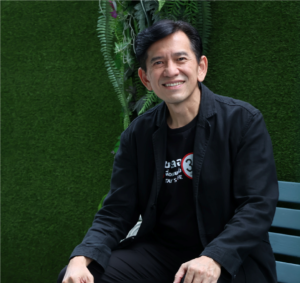
Udom Hongchatikul
MANAGER & SECRETARY GENERAL AND FOUNDER & CEO
Dr. Udom Hongchatikul is a systems designer and CEO of Social Lab (Thailand), specializing in systemic transformation and collective leadership. A pioneer in Compassionate Systems (MIT JWEL) and a Fellow of the Academy for Systems Change, he facilitates cross‑sector collaborations to address complex challenges. His commitment to global environmental sustainability is reflected in his leadership as Co‑Founder of the Sustainable Food Lab (Thailand) and Secretary General of Breathe Bangkok. Udom’s work integrates scenario planning and positive psychology to drive high‑impact initiatives in sustainable tourism, road safety, and community‑based development.
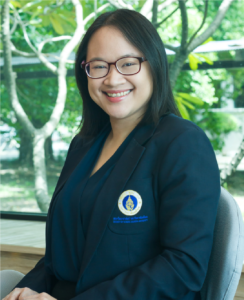
Trakarn Prapaspongsa
ASSOCIATE PROFESSOR/LECTURER
Dr. Trakarn Prapaspongsa, an associate professor at Mahidol University, has 20 years of research experience in life‑cycle assessment and sustainability. She has engaged with global environmental challenges through research, education, and outreach activities. As a change agent, she contributes to national and international communities in multiple roles, including: Chair of the Technical Committee of the Environmental Engineering Association of Thailand; Committee Member of Breathe Bangkok; Academic Committee Member of the Center for Clean Air Solutions; Committee Member for the Circular Mark and Environmental Product Declaration at the Thailand Environment Institute; and WHO Technical Advisor on the Environmental Sustainability of Animal‑Source Foods.