
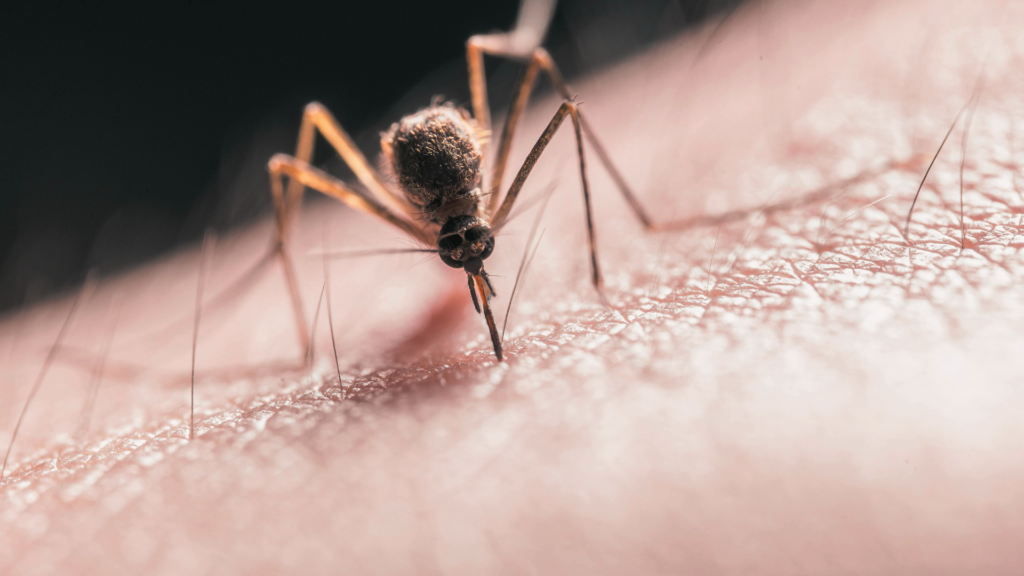
As climate reshapes weather patterns and intensifies extreme events, its impacts on public health are becoming increasingly evident. Among the most pressing concerns is the shifting geography and seasonality of malaria transmission. The BEDMAC project responds to this urgent challenge by connecting climate science, health research, and the built environment to strengthen malaria prevention strategies worldwide.
Why the Built Environment Matters
As temperatures rise and rainfall patterns change, mosquito habitats expand and transmission dynamics shift. BEDMAC investigates how climate-responsive design and infrastructure can reduce these risks while supporting broader adaptation and mitigation goals. Rather than treating malaria control solely as a medical issue, the project reframes it as a decision-making challenge embedded in planning and community development.

A Transdisciplinary and Community-Engaged Approach
BEDMAC builds and validates transdisciplinary knowledge on the connections between climate change, health, and the built environment. The project:
- Engages communities in co-developing climate adaptation strategies.
- Conducts intersectional analyses to understand vulnerabilities across different populations.
- Examines the health co-benefits and potential risks of climate mitigation measures.
- Develops a decision-support framework to integrate climate-responsive design into malaria prevention policies and practices.
By working across disciplines and knowledge systems, the project ensures that solutions are locally grounded, socially inclusive, and scientifically robust.
With collaboration across the United States, the United Kingdom, Kenya, Tanzania, Panama, Mozambique, Nigeria, and Uganda, BEDMAC leverages diverse climatic, socio-economic, and governance contexts. This global scope allows the team to develop scalable and adaptable strategies for malaria prevention and build environment-related disease management.